
- Home
- Blog

Understanding Why Lens Replacement Matters
Eyeglass lenses are not permanent tools; they are precision optical devices that gradually lose effectiveness as your vision, lifestyle, and lens condition change. Many people assume that as long as their glasses are not broken, they are still working properly. In reality, lenses can become outdated, scratched, or optically inaccurate long before they appear unusable. Wearing lenses that no longer meet your visual needs can cause eye strain, fatigue, headaches, and even reduced productivity in daily tasks. Recognizing the early signs that it’s time for new lenses helps you maintain clear vision, protect your eye health, and ensure your glasses continue supporting your lifestyle rather than holding you back.
Blurry Vision Is Becoming Normal
One of the most obvious signs you need new eyeglass lenses is gradual blur that starts to feel normal. Vision changes often happen slowly, which means your brain adapts and compensates without you noticing immediately. You might find yourself squinting more often, holding your phone closer or farther away, or struggling to read signs that used to be clear. This is especially common if your prescription has changed but you have not updated your lenses. Blurry vision is not just an inconvenience; it is your eyes signaling that your current lenses are no longer aligned with your visual requirements.
Distance and Near Vision Differences
If distant objects look hazy while close objects remain sharp—or the opposite—it strongly suggests your prescription no longer matches your eyesight. Vision shifts can happen due to age, screen use, or natural eye changes, and lenses must be updated to compensate accurately.
Frequent Headaches and Eye Fatigue
Persistent headaches, especially after reading, driving, or working on a computer, often indicate that your lenses are forcing your eyes to work harder than they should. When lenses are outdated, your eye muscles strain to compensate for incorrect focus. Over time, this extra effort leads to fatigue and tension around the eyes and temples.
Digital Screen Strain
Modern lifestyles involve long hours staring at screens. If your lenses were not designed for digital use or have become outdated, your eyes may struggle to maintain focus. This can lead to burning sensations, dryness, or a heavy feeling in the eyes by the end of the day.
Why This Happens
Digital screens emit light patterns that differ from printed text. Older lenses may not filter glare or optimize contrast properly, causing your visual system to overwork to interpret images clearly.
Scratches and Surface Damage Are Increasing
Even small scratches can significantly affect how light passes through your lenses. Over time, cleaning, dust particles, and daily handling gradually wear down protective coatings. Many people underestimate how much tiny surface damage impacts clarity. Scratches scatter light, reduce contrast, and create glare, especially when driving at night or working under bright lighting.
Long-Term Effects of Damaged Lenses
Worn lenses don’t just look old—they interfere with visual precision. The longer you use scratched lenses, the more your eyes must compensate for distorted light, which can cause subtle but persistent discomfort.
You Notice Glare or Halos Around Lights
If headlights, streetlights, or screens appear surrounded by halos or starbursts, your lenses may be deteriorating or no longer suitable for your needs. This is particularly noticeable at night and can make driving uncomfortable or unsafe.
Anti-Reflective Coating Wear
Many lenses come with anti-reflective coatings that reduce glare and improve contrast. Over time, these coatings can degrade. When that happens, reflections increase, contrast decreases, and visual sharpness drops.
When This Becomes a Safety Issue
Glare problems are not just annoying; they can affect reaction time and visual accuracy, especially in low-light environments where clarity is critical.
Your Lifestyle Has Changed
Your lenses should match how you live. If your daily routine has shifted—such as starting a job that involves screens, driving more often, or spending more time outdoors—your current lenses may no longer be optimized for your activities.
Situations That Require Updated Lenses
- New Work Environment
If you moved from a physically active job to a desk-based role, your visual demands changed dramatically. Screen use requires lenses optimized for intermediate distance and glare reduction, which standard lenses may not provide. - Increased Outdoor Activity
Spending more time outside exposes your eyes to sunlight and UV rays. Updated lenses with protective coatings can improve comfort, contrast, and eye safety. - Hobbies That Demand Precision
Activities like photography, gaming, or crafting require highly accurate focus. If your lenses are outdated, even minor prescription mismatches can reduce performance and enjoyment.
Your Prescription Is More Than a Year Old
Even if you think your vision hasn’t changed, eye care professionals often recommend annual eye exams. Vision can shift subtly without obvious symptoms, and only a professional test can detect these small changes. Wearing an outdated prescription might feel fine at first, but it can still cause unnecessary strain.
Why Regular Updates Matter
Eyes are dynamic organs influenced by age, health, screen exposure, and lighting conditions. Regular updates ensure your lenses stay synchronized with your actual visual needs rather than relying on guesswork.
Colors Look Duller Than Before
Clear lenses should transmit light accurately. If colors seem muted or slightly yellowish, your lenses may be aging or coatings may be degrading. This change often happens so gradually that people don’t notice until they compare their view through new lenses.
Optical Clarity and Material Aging
Lens materials can deteriorate microscopically over time. Even if they look clean, internal changes may reduce brightness and sharpness. New lenses restore true color perception and improve overall visual vibrancy.
You Constantly Adjust Your Glasses
If you frequently tilt your head, move your glasses up or down, or look over the top of them to see clearly, your lenses might not be providing the correct focal alignment. This behavior often indicates that your prescription is slightly off or your visual needs have shifted.
Subtle Compensation Habits
Most people don’t realize they develop these habits. They may think they are just adjusting their posture, when in reality they are compensating for lenses that no longer match their vision.
Night Vision Has Become Difficult
Struggling to see clearly at night is a strong indicator that your lenses need updating. Low-light conditions require precise focus and optimal contrast. Outdated lenses can exaggerate glare, reduce clarity, and make it harder to distinguish shapes or movement.
Why Night Vision Changes First
Night environments reduce visual contrast naturally. Any imperfection in your lenses becomes more noticeable because your eyes already have less light to work with.
Practical Impact
Poor night vision affects driving safety, depth perception, and reaction time. Updating lenses often restores clarity immediately.
Your Glasses Feel “Off” Even If You Can’t Explain Why
Sometimes the biggest sign is simply a feeling. If your glasses no longer feel as comfortable or effective as they once did, trust that instinct. Your visual system is extremely sensitive, and even small mismatches can create a sense that something isn’t right.
Conclusion — Don’t Wait for Obvious Problems
Replacing eyeglass lenses is not just about fixing a problem; it’s about maintaining optimal visual performance. Clear, accurate vision affects every part of life—from productivity and safety to comfort and confidence. If you notice any of these signs, it may be time to update your lenses and give your eyes the clarity they deserve. Regular checkups, attention to subtle changes, and awareness of your visual habits can help you stay ahead of vision issues rather than reacting to them later. Investing in new lenses at the right time ensures your glasses continue to support your lifestyle with precision, comfort, and reliability.
The Evolution of Eyewear as a Fashion Statement
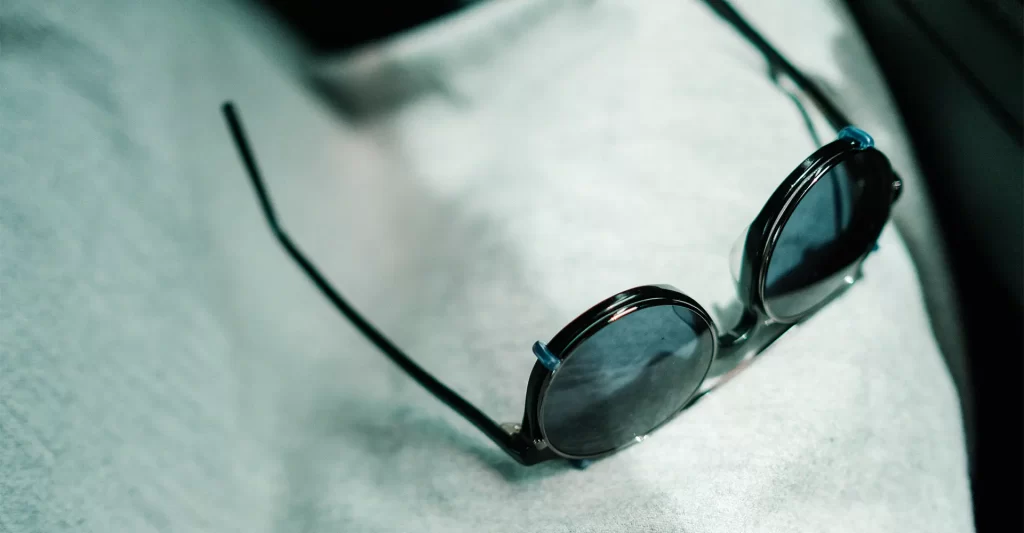
Eyewear has transformed dramatically over the years, shifting from a purely medical necessity to a defining fashion accessory. Today, glasses are often one of the first things people notice about someone’s appearance. Designers and brands now treat frames the same way fashion houses treat handbags or shoes: as statement pieces that reflect personality, mood, and identity. This year’s trends show a clear movement toward individuality, comfort, and refined aesthetics. Instead of one dominant style, the market is filled with diverse designs that allow wearers to choose frames that match both their lifestyle and personal taste. This shift highlights how eyewear has become an extension of self-expression rather than just a visual aid.
Oversized Frames Are Dominating Collections
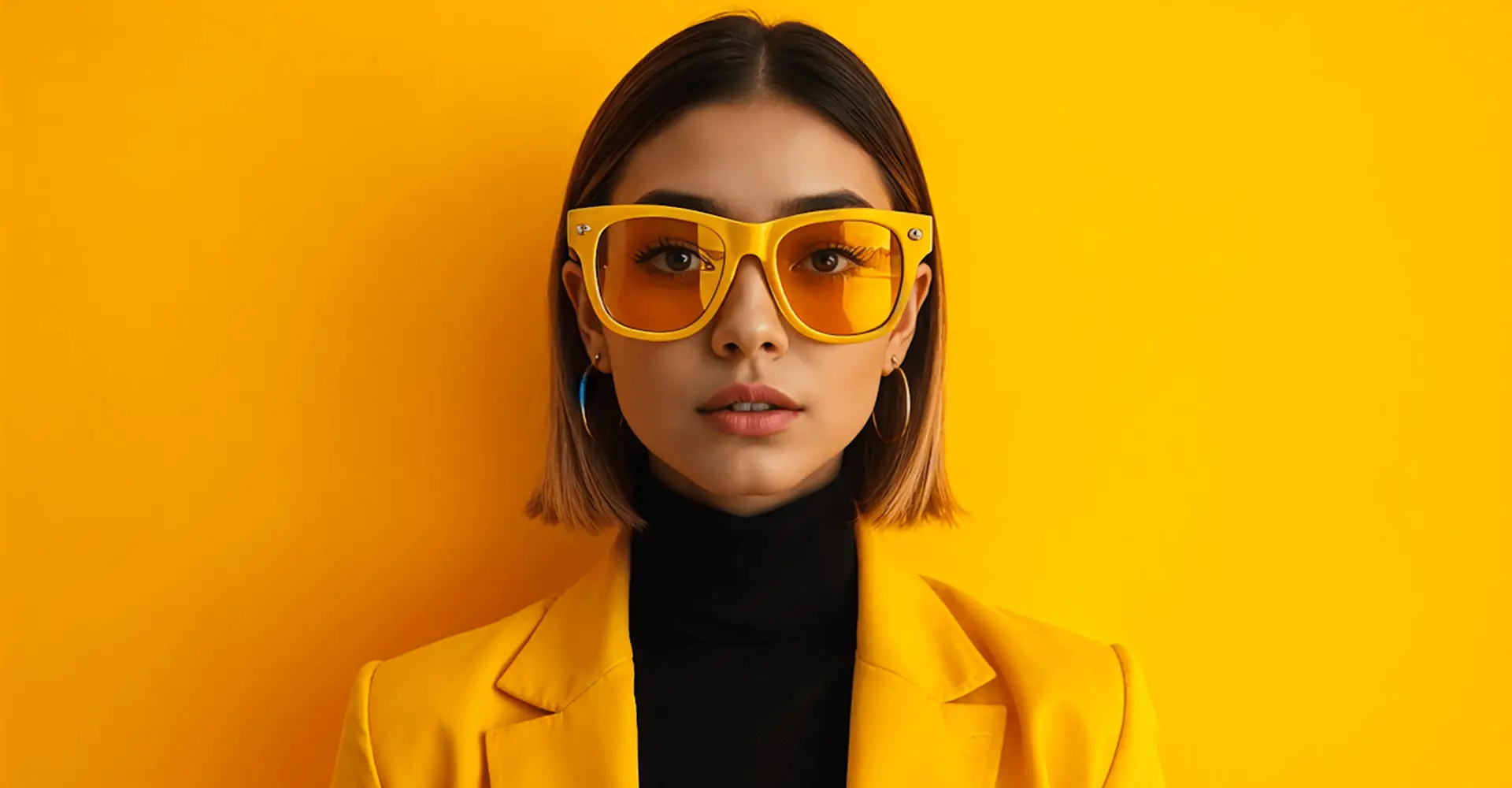
Large frames are making a strong impression this year. Oversized glasses provide both style impact and functional coverage, creating a bold silhouette that instantly stands out. These frames are especially popular among fashion-forward individuals who want their accessories to play a central role in their overall look.
Why Oversized Styles Are Trending
Oversized frames offer visual balance by framing the face more dramatically than smaller styles. They can soften sharp facial features or add structure to rounder faces. Their popularity is also influenced by fashion’s current love for dramatic proportions, where larger elements create a sense of confidence and presence.
Styling Advantages
-
Enhanced Facial Framing
Larger frames act almost like a portrait border for the face, drawing attention to expressions and eye movement. This makes them particularly effective for people who want their glasses to highlight their personality rather than simply blend into their look. -
Practical Visual Coverage
Oversized lenses often provide a wider field of vision compared to smaller ones. This can improve comfort during daily activities such as reading, driving, or working on digital devices because the eyes do not need to shift as frequently to find the correct focal area. -
Fashion Versatility
Despite their bold size, oversized frames can be styled in both casual and formal settings. When paired with minimalist clothing, they become the focal point of the outfit; when matched with expressive fashion, they complement the overall aesthetic.
Matte Finishes Are Replacing Glossy Looks
Another major trend this year is the shift toward matte textures. While glossy frames used to dominate the market, matte finishes now represent modern sophistication and understated elegance.
The Appeal of Matte Surfaces
Matte frames reduce reflections and give glasses a softer, more refined appearance. They tend to look more contemporary and less flashy, which makes them appealing to people who prefer subtle luxury rather than bold shine.
Why Wearers Prefer Matte Frames
Matte textures create a tactile visual effect that feels premium and carefully crafted. They also hide fingerprints and minor scratches better than glossy surfaces, which helps glasses maintain a clean and polished appearance for longer periods. This practical advantage is one of the reasons matte styles are becoming a preferred choice for everyday wear.
Dual-Tone Frame Designs
Two-color frames are becoming increasingly popular because they add visual depth without overwhelming the face. These designs often combine contrasting tones or complementary shades to create a balanced yet eye-catching effect.
Design Psychology Behind Dual Colors
Color combinations influence how a frame is perceived. Dark outer rims paired with lighter inner tones can create definition while still keeping the overall look soft. Conversely, lighter exteriors with darker accents can add subtle drama.
Popular Combinations This Year
-
Black and Gold
This pairing blends classic elegance with modern luxury. The contrast between dark and metallic tones creates a refined look that works well in professional and formal environments. -
Tortoiseshell and Clear
Mixing patterned acetate with transparent sections gives frames a layered aesthetic. This style feels artistic and contemporary while remaining easy to match with different outfits. -
Neutral and Pastel Shades
Soft pastel interiors combined with neutral exteriors create a gentle yet distinctive appearance. These frames appeal to wearers who want something unique without being overly bold.
Sport-Inspired Eyewear in Daily Fashion
Athletic design elements are no longer limited to sports eyewear. This year, fashion collections are incorporating wraparound shapes, aerodynamic lines, and lightweight materials traditionally associated with performance gear.
Why Athletic Influence Is Growing
Modern lifestyles are increasingly active, and people want accessories that can keep up. Frames inspired by sports design provide durability, comfort, and stability while still looking stylish enough for everyday use.
Functional Benefits
Sport-inspired frames often include ergonomic nose bridges, flexible temples, and impact-resistant materials. These features improve comfort for long wear and make glasses more reliable during movement, commuting, or outdoor activities. The combination of function and style is what makes this trend particularly appealing.
Softly Tinted Transparent Frames
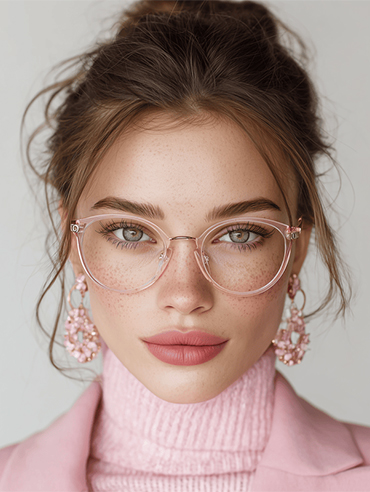
While clear frames remain popular, this year introduces a subtle variation: lightly tinted transparency. Instead of completely colorless designs, these frames feature gentle hues such as blush, pale gray, or faint blue.
The Visual Effect of Light Tinting
Soft tints add dimension to transparent frames without making them look heavy. They maintain the minimalist appeal of clear eyewear while introducing a hint of personality.
Why They’re Gaining Attention
Lightly tinted frames strike a balance between subtlety and uniqueness. They are understated enough for professional environments yet distinctive enough to feel stylish. This versatility makes them suitable for people who want a modern look that adapts easily to different settings.
Sculpted Bridge Designs
The bridge—the part of the frame that rests on the nose—is becoming a design focal point. Instead of simple straight bridges, many frames now feature sculpted or architectural shapes.
How Bridge Design Changes Appearance
A unique bridge can alter the entire character of a pair of glasses. It can make frames appear more futuristic, more vintage, or more refined depending on its shape and structure.
Reasons Designers Highlight the Bridge
-
Structural Detail
A sculpted bridge adds dimension and craftsmanship, making frames look more carefully designed rather than mass-produced. -
Improved Comfort
Some modern bridge shapes distribute weight more evenly across the nose, reducing pressure and making glasses more comfortable for long-term wear. -
Signature Identity
Distinctive bridges can become a recognizable design signature, helping certain frame styles stand out instantly.
Warm Earth-Tone Color Palettes
Color trends this year are shifting toward natural shades inspired by earth elements. Browns, olives, warm ambers, and sandy tones are appearing frequently in new collections.
H3 — Why Natural Colors Are Popular
Earth tones create a calming and grounded visual effect. They tend to complement a wide range of skin tones and outfits, making them highly versatile.
H4 — Styling Benefits
These colors pair well with both casual and formal clothing, allowing one pair of glasses to match multiple looks. They also feel timeless rather than seasonal, which means they remain stylish even as fashion trends evolve.
Hybrid Frames Combining Materials
Designers are experimenting with mixing materials such as metal and acetate in a single frame. This approach blends durability with style, producing glasses that feel innovative and sophisticated.
The Advantage of Mixed Materials
Combining materials allows frames to balance strength, weight, and aesthetics. Metal sections can provide structural support while acetate portions add color and personality.
Why Hybrid Designs Stand Out
Hybrid frames create visual contrast and texture variation, which makes them more interesting to look at. They often appear more premium because the craftsmanship required to combine materials seamlessly is higher than with single-material frames.
Conclusion — A Year of Style Diversity
This year’s eyewear trends prove that there is no single dominant style defining fashion. Instead, the focus is on variety, individuality, and thoughtful design. Whether someone prefers bold oversized frames, subtle transparent styles, or innovative hybrid designs, modern eyewear offers options that combine aesthetics with functionality. The most important trend of all is personalization: choosing frames that reflect who you are and how you live. As eyewear continues evolving, it is becoming clear that glasses are no longer just about vision correction—they are a defining part of personal style and self-expression.

Why Digital Lifestyles Demand Specialized Lenses
Modern life revolves around screens. From smartphones and tablets to laptops and large monitors, most people spend hours every day focusing on digital displays. Unlike printed text, screens emit artificial light, create glare, and require constant focus adjustments. These factors place unique demands on the eyes that traditional lenses were never designed to handle. As screen time increases, so does the need for lenses specifically optimized for digital environments. The right lenses can reduce strain, improve clarity, and make long hours of screen use significantly more comfortable. Choosing lenses tailored for digital use is not a luxury anymore; it is a practical necessity for maintaining visual comfort and long-term eye health.
Blue Light Filtering Lenses
Blue light filtering lenses are among the most popular choices for people who spend long hours in front of screens. Digital devices emit high-energy visible blue light, which can contribute to visual fatigue and discomfort.
How Blue Light Affects Your Eyes
Blue light scatters more easily than other wavelengths, which can reduce contrast and make it harder for your eyes to focus. This scattering forces your visual system to work harder to interpret images clearly. Over time, this effort can lead to tired eyes, blurred vision, and difficulty concentrating.
Benefits of Blue Light Filtering
-
Reduced Visual Fatigue
Lenses that filter blue light help decrease the intensity of harsh light entering the eyes. This allows your visual system to relax and maintain focus more naturally during extended screen sessions. -
Improved Contrast Perception
By minimizing scattered light, these lenses enhance contrast, making text and images appear sharper. This is especially helpful for tasks that require reading small fonts or analyzing detailed graphics. -
Better Evening Comfort
Many users report that blue light filtering lenses make nighttime screen use more comfortable because they soften the brightness of digital displays.
Anti-Reflective Coated Lenses
Glare is one of the biggest challenges when using digital devices. Reflections from screens, overhead lighting, or nearby windows can interfere with vision and cause strain. Anti-reflective coatings are specifically designed to address this issue.
Why Glare Is a Problem
Glare forces your eyes to constantly adjust to competing light sources. Instead of focusing solely on the screen, your eyes must filter out reflections and bright spots, which increases visual effort.
Advantages of Anti-Reflective Coatings
Anti-reflective lenses allow more light to pass through the lens rather than bouncing off its surface. This improves clarity, reduces distractions, and creates a more comfortable viewing experience. They also make your eyes more visible to others, which can be helpful for video calls or professional settings where eye contact matters.
Computer-Specific Prescription Lenses
Standard prescription lenses are typically optimized for distance vision or general daily use. However, computer screens are usually positioned at an intermediate distance that falls between reading and distance ranges.
What Makes Computer Lenses Different
Computer lenses are designed specifically for this intermediate zone. They provide a wider viewing area for screen distance, allowing your eyes to move naturally without constantly adjusting focus.
Why They Improve Productivity
-
Expanded Viewing Zone
These lenses offer a broader field of clear vision at screen distance, reducing the need to tilt your head or shift your posture to see clearly. -
Reduced Neck and Shoulder Strain
Because the viewing area is optimized for monitor distance, users are less likely to lean forward or crane their necks. This leads to better posture and less physical tension during long work sessions. -
Sharper Digital Clarity
Computer lenses are calibrated to enhance sharpness at typical screen distances, which makes reading text and viewing details easier and more comfortable.
Lightweight High-Index Lenses
Comfort plays a major role in choosing lenses for screen use. High-index lenses are thinner and lighter than standard lenses, which makes them ideal for people who wear glasses all day while working on digital devices.
Why Weight Matters
Heavy lenses can create pressure on the nose and ears, especially during long hours of wear. This discomfort can become distracting and may even lead to headaches.
Long-Term Comfort Benefits
Lightweight lenses distribute weight more evenly, reducing pressure points and allowing glasses to sit comfortably for extended periods. This makes them particularly beneficial for professionals, students, and remote workers who rely on screens for most of their daily activities.
Photochromic Lenses for Screen Users
Photochromic lenses adjust their tint based on light conditions. While they are often associated with outdoor use, they can also benefit people who frequently move between indoor and outdoor environments throughout the day.
Adaptability to Changing Lighting
Switching between bright sunlight and indoor lighting can strain your eyes as they constantly adjust to new brightness levels. Photochromic lenses help smooth this transition by automatically adapting to light intensity.
Practical Advantages
They reduce the need to switch between regular glasses and sunglasses, making them convenient for people who commute, work near windows, or frequently step outside. This adaptability keeps vision comfortable regardless of lighting conditions.
Scratch-Resistant and Smudge-Resistant Coatings
Screen users tend to clean their lenses more often because fingerprints, dust, and smudges become noticeable when looking at bright displays. Durable coatings are essential for maintaining clear vision.
Why Coatings Matter
Frequent cleaning can gradually wear down lenses if they are not protected. Without proper coatings, lenses may develop micro-scratches that scatter light and reduce clarity.
Protective Coating Benefits
-
Longer Lens Lifespan
Scratch-resistant coatings protect lenses from everyday wear, helping them maintain optical quality over time. -
Clearer Vision
Smudge-resistant surfaces prevent oils and fingerprints from sticking easily, which keeps lenses cleaner for longer periods. -
Lower Maintenance Effort
With protective coatings, users spend less time cleaning lenses and more time focusing on their work.
Progressive Lenses for Multitasking Users
Many digital users switch frequently between devices, documents, and distant objects. Progressive lenses can support this multitasking by offering multiple focal zones in one lens.
How Progressive Lenses Help
Instead of switching between different pairs of glasses, progressive lenses allow seamless transitions between near, intermediate, and distance vision. This is especially helpful for people who work at desks but also need to look up at presentations, coworkers, or distant screens.
Productivity Advantages
Progressive lenses eliminate interruptions caused by changing glasses or adjusting posture. They create a smooth visual experience that supports efficiency and comfort throughout the day.
Who Benefits Most
Professionals, designers, programmers, and students who constantly shift their focus between multiple distances often find progressive lenses particularly useful because they accommodate varied visual demands.
Choosing the Right Lens Combination
The best lenses for digital screen users are often not a single type but a combination of features. For example, someone might benefit most from lenses that include blue light filtering, anti-reflective coating, and lightweight material all in one design.
Factors to Consider
Choosing the right lenses depends on several personal factors such as daily screen time, work environment, lighting conditions, and prescription strength. Understanding these variables helps ensure your lenses match your actual needs rather than just general recommendations.
Conclusion — Invest in Lenses Designed for Modern Life
Digital devices are an unavoidable part of contemporary living, and our eyes are constantly adapting to their demands. The right lenses can make a significant difference in comfort, clarity, and overall visual performance. Whether it is blue light filtering technology, anti-reflective coatings, or specialized computer prescriptions, modern lens options are designed to support the realities of screen-focused lifestyles. Investing in lenses tailored for digital use is ultimately an investment in your productivity, well-being, and long-term eye health. By choosing thoughtfully designed lenses, you allow your eyes to work naturally and comfortably, no matter how many hours you spend in front of a screen.